
The Complete Paid Ads Strategy for Shopify Stores in 2026
- Karsten Ziche

- Mar 16
- 4 min read
Growing a Shopify store sustainably requires more than quick tricks or chasing viral moments. You need a clear, well-structured Shopify marketing strategy that balances paid ads, retention efforts, and conversion optimization. This guide walks you through how to build a solid ecommerce marketing strategy using Meta Ads, Google Ads, email marketing, and website improvements to increase revenue steadily and predictably.

Image caption: Tracking ad performance on Shopify dashboard helps refine your paid ads strategy.
Build a Strong Foundation with Your Shopify Ads Strategy
Before spending on ads, ensure your store and brand are ready to convert visitors into customers. Your Shopify ads strategy should start with:
Clear audience definition
Identify your ideal customer by demographics, interests, and shopping behavior. Use Shopify’s customer data and Facebook Audience Insights to create detailed buyer personas.
Compelling product pages
Make sure product descriptions are clear, benefits-focused, and include high-quality images. Fast loading times and mobile-friendly design are essential.
Set measurable goals
Define what success looks like: more sales, higher average order value, or increased repeat purchases. This clarity guides your ad targeting and budget allocation.
Once these basics are in place, you can confidently invest in paid ads knowing your store is ready to convert traffic.
Use Meta Ads to Reach and Engage Your Ideal Customers
Meta Ads (Facebook and Instagram) remain powerful for Shopify stores because they combine precise targeting with visual storytelling. Here’s how to use them effectively:
Start with prospecting campaigns
Target cold audiences who match your buyer personas. Use engaging video or carousel ads to introduce your brand and products.
Retarget website visitors
Set up custom audiences to show ads to people who visited your site but didn’t buy. Use dynamic product ads to remind them of items they viewed.
Test different creatives and copy
Run A/B tests on images, headlines, and calls to action. Meta’s algorithm favors ads with high engagement, so keep refreshing your content.
Use lookalike audiences
Create audiences similar to your best customers to find new buyers more likely to convert.
Meta Ads work best when you combine broad reach with precise retargeting. This layered approach builds awareness and drives conversions over time.
Leverage Google Ads for Intent-Driven Traffic
Google Ads captures shoppers actively searching for products like yours. This intent-driven traffic often converts at higher rates. To build your Google Ads campaigns:
Focus on search campaigns
Use keywords that match your product names, categories, and customer needs. Include negative keywords to avoid irrelevant clicks.
Use shopping ads
Google Shopping ads show your product image, price, and store name right in search results. They drive highly qualified traffic.
Optimize your product feed
Keep your product titles, descriptions, and images accurate and up to date in your Google Merchant Center.
Bid strategically
Start with manual CPC to control costs, then test automated bidding strategies like Target ROAS once you have enough data.
Google Ads complements your Shopify ads strategy by capturing demand when customers are ready to buy.
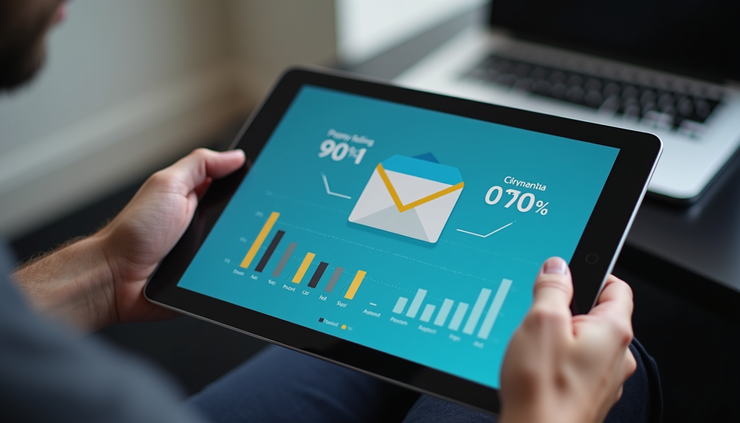
Image caption: Reviewing email campaign results helps improve retention and repeat sales.
Use Email Marketing to Boost Retention and Lifetime Value
Paid ads bring customers in, but email marketing keeps them coming back. A strong ecommerce marketing strategy includes email campaigns that nurture relationships and increase lifetime value:
Welcome series
Send a sequence of emails to new subscribers introducing your brand, sharing best sellers, and offering a first-purchase discount.
Abandoned cart reminders
Automatically email shoppers who leave items in their cart. Include product images, clear calls to action, and sometimes a small incentive.
Post-purchase follow-ups
Thank customers, ask for reviews, and suggest related products to encourage repeat purchases.
Segment your list
Group customers by purchase history, engagement, or preferences to send more relevant emails.
Email marketing is one of the most cost-effective ways to increase revenue without increasing ad spend.
Optimize Your Website to Convert More Visitors
Even the best ads lose money if your website doesn’t convert well. Conversion optimization should be part of your Shopify marketing strategy:
Speed up your site
Slow loading pages cause visitors to leave. Use Shopify’s built-in tools and apps to improve load times.
Simplify navigation
Make it easy for visitors to find products and checkout. Clear menus, search bars, and filters help.
Use social proof
Display customer reviews, testimonials, and trust badges prominently.
Streamline checkout
Reduce the number of steps and offer multiple payment options.
Test regularly
Use A/B testing tools to try different headlines, images, and layouts. Small changes can boost conversion rates significantly.
Improving your website’s user experience increases the return on every dollar spent on ads.

Image caption: An optimized Shopify homepage helps convert visitors into customers.
How to Scale Shopify Store with Sustainable Growth
Scaling your Shopify store means growing revenue steadily without sacrificing profitability. Here’s how to use your ecommerce marketing strategy to scale:
Track key metrics
Monitor customer acquisition cost, return on ad spend, and lifetime value. Use Shopify Analytics and ad platform dashboards.
Increase ad budgets gradually
Scale winning campaigns by increasing budgets 20-30% every few days while monitoring performance.
Expand targeting
Test new audiences on Meta Ads and Google Ads once your core campaigns perform well.
Invest in retention
Grow your email list and improve your post-purchase experience to boost repeat sales.
Keep optimizing your website
Conversion improvements multiply the impact of your ads.
Scaling is about steady improvement across paid ads, retention, and conversion optimization. Avoid chasing quick wins that don’t last.



Comments